
Tibet Manasarovar International Travel
Why Tibet?
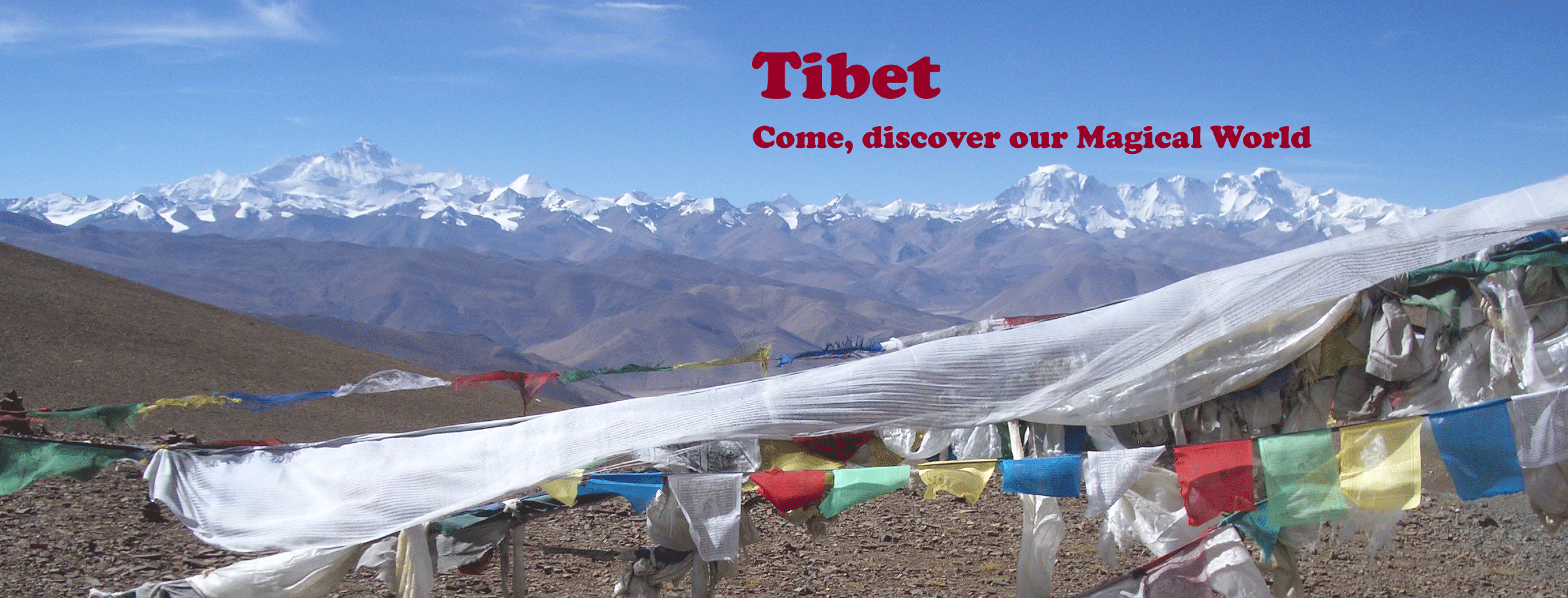
Long shrouded in myth and mystery, Tibet lies on the roof of the world, surrounded by the mountain ranges of Central Asia. Travel in Tibet offers myriad possibilities. This is a world like no other, with one of the world’s richest cultural and spiritual traditions along with some of the most spectacular landscapes on Earth, including its highest mountain, one of its deepest gorges and is the source of many of Asia’s great rivers.
Here man and deity inhabit the same landscape, both physical and mental. To travel across the incredible Tibetan Plateau is to venture into the realm of the gods. A world where colours are enhanced and the atmosphere a constant reminder that you truly are on the “Roof of the world”.
Our photos are real, you will see these unforgettable vistas!.
Lhasa
Recognised worldwide the Potala Palace is an integral part of Lhasa’s history and skyline.
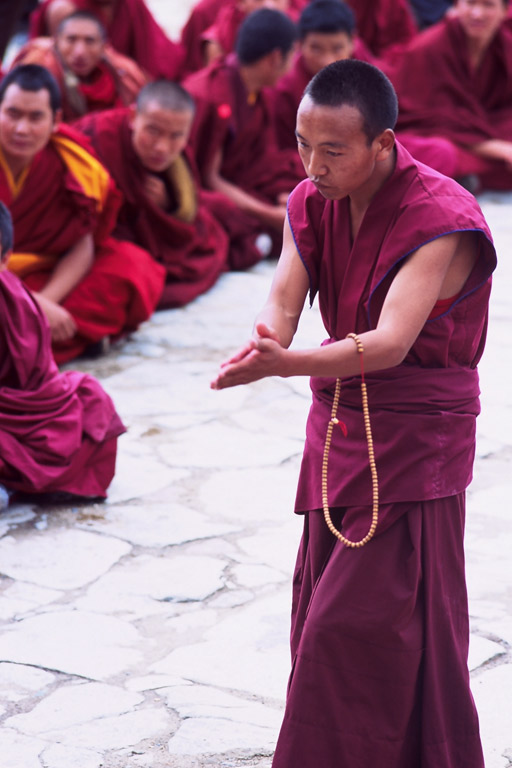
Explore Lhasa – city of marvels where history and art, commerce and religion meld into an unforgettable experience. Visit markets, teahouses and tiny local temples as well as the key monasteries of Tibetan Buddhism in Lhasa.
A great add-on to any China trip,
Add a taste of the vast Tibetan landscape with a day trip to Ganden & Drak Yerpa
Central Tibet & Everest
Discover the cultural heart of Tibet; its great monasteries, temples and palaces; remote religious centres as well as the incredible beauty of the landscape – scared lakes, glaciers, high mountain passes bedecked with prayer flags …
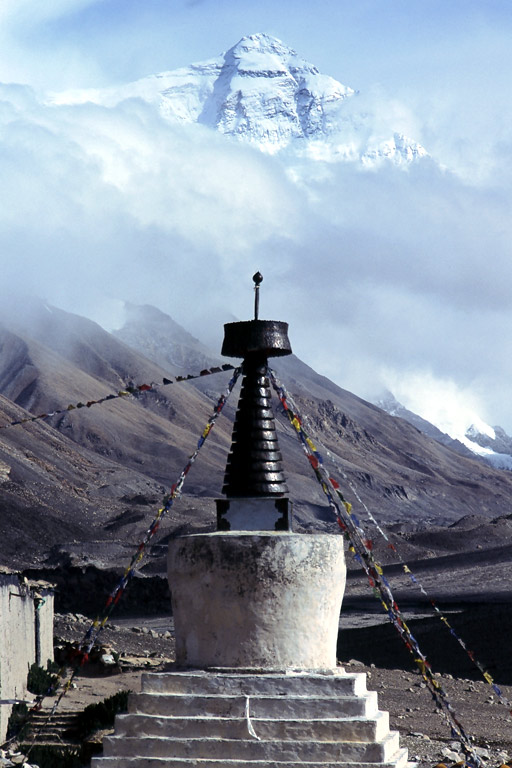
Visit the historic centres of Samye, Gyantse, Shigatse & Sakya along with close-up views of Mount Everest, Qomolangma.
North of Lhasa lies the stunning lake, Namtso. In summer traditional nomad camps dot the grasslands.
Group Depatuures
Kailash & the West
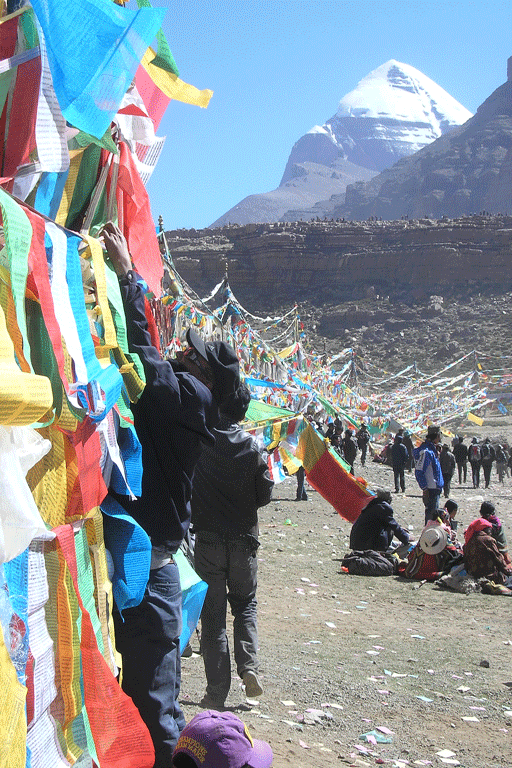
Rising alone from the western Tibetan Plateau, stands Mount Kailash (Kang Rinpoche) – the most sacred mountain of the world. A place of pilgrimage and rebirth; revered by Bon, Buddhist, Hindu and Jain alike.
One of the most sacred of all travel destinations, Western Tibet is also scenically stunning. Join Tibetan pilgrims as they make a kora (circuit) of the holy mountain; marvel at the stunning art work of the ancient Kingdom of Guge and at the incredible colour of Lake Manasarovar.
Group Departures
East Tibet
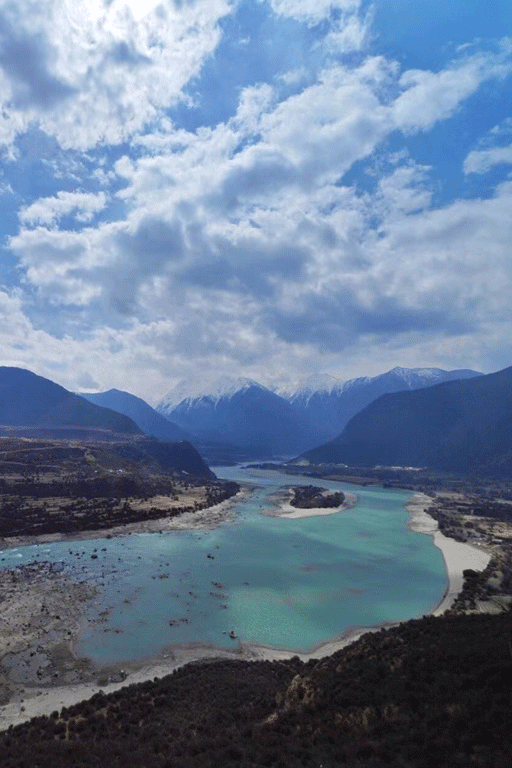
East of Lhasa is a realm far from the stereotyped image of Tibet as a barren, mountain landscape. The mountains are most certainly still here, but in a region of breath-taking beauty they are complimented by deep, forested valleys, crystal-clear lakes, vast rivers and incredible grasslands.
Here too are some of the most sacred sites of Tibetan Buddhism and of Bon.
Make a short (or longer) loop from Lhasa or travel overland all the way to Chengdu.
Group Tours
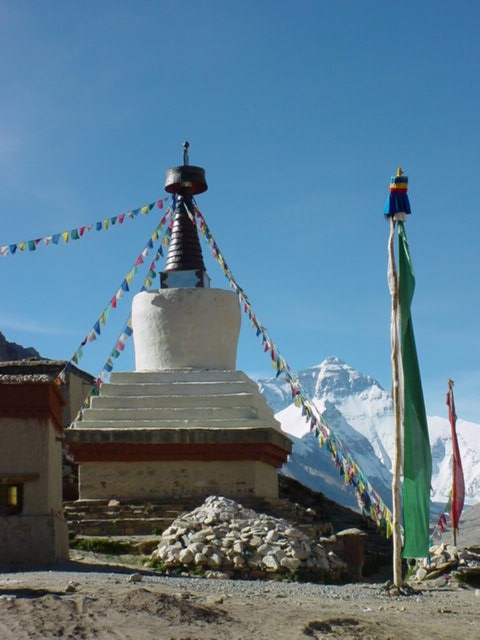
We hope to welcome you soon on these adventures of a lifetime! The North Face view of Qomolangma (Mount Everest) is spectacular – you feel you can reach out and touch it!
In Lhasa visit the Potala, Jokhang Temple and the great university monasteries of Drepung and Sera. Cross the spectacular Khamba-La (pass) with the turquoise waters of the sacred lake, Yamdrok-tso, spread below. Prayer flags, glaciers, snow covered mountain ranges – the scenery is incredible!
From the tiny monastery at Rombuk the view of Qomolangma (Mt Everest) is absolutely magnificent as it stands alone at the head of the valley.
With good roads and accommodations travel here is now easy and accessible to all.
The Best of Central Tibet with Everest – 12 days
Chengdu – Lhasa – Ganden – Samye – Gyantse – Sakya – Rombuk & Everest – Shigatse – Lhasa All group departures timed for the full moon at Everest
Lhasa to Kathmandu Overland via Everest – 11 days
Chengdu – Lhasa – Gyantse – Shigatse – Sakya – Rombuk & Everest – Kyirong – Kathmandu
We offer 2 options to best suit your interests
= Lhasa-Lhasa loop via Everest which includes the great sites of central Tibet – monasteries, lakes, passes …
= Traditional Lhasa-Kathmandu via Everest for those who wish to continue their travels once they reach Nepal.
Festivals
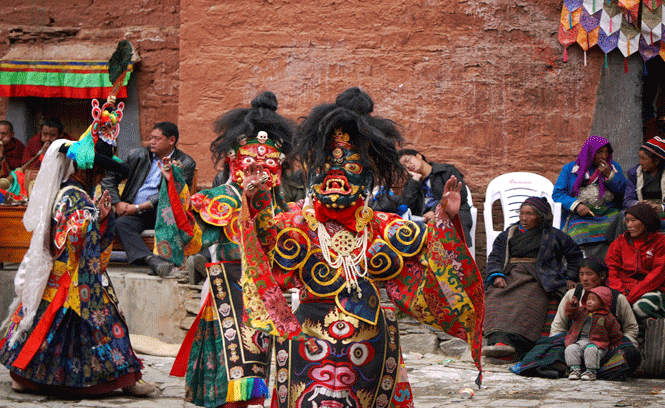
Tibet’s festivals are joyful and colourful events – usually involving Cham Dancing (masked danes often referred to as Tibetan opera), music and singing.
Giant thankas displayed on hillsides above monasteries are also a feature of many festivals.
They are a great time to visit, but be aware you may have extra walking depending site/festival as often access roads are closed due to the huge numbers of people.
Winter in Tibet
You may be surprised to hear it, but winter is actually a great time to visit Lhasa & central Tibet – even Everest is possible. Yes it is cold, but skies are generally clear, days sunny and colours enhanced.
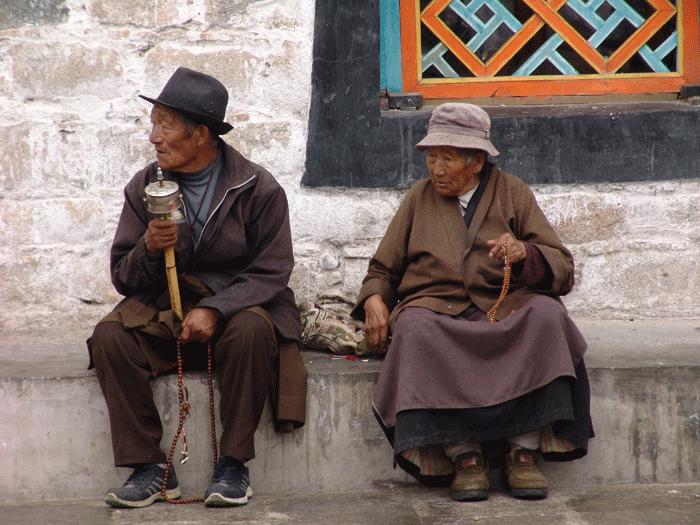
Late November through December is also one of the best times for people-watching. This is the time the villagers and nomads come – the crops are in, animals settled for winter – so it is time for pilgrimage and shopping in traditional clothes, those from the east are particularly colourful.
Tibet – Nachu
Nachu (Naqu) is an incredibly scenic area north of Lhasa and the area open to foreigners has just been greatly expanded.
Namtso (lake) is here, but it is now permitted to travel to the north-west, an area of vast lakes, wetlands and grasslands beloved of bird life and nomad herders.
Also areas are now open to the east – snow covered mountains, rivers, grasslands and a unique view of nomad & rural village Tibet – its people, life and traditions.
More information and suggested itienraries for 2-3 day loops from Lhasa once we have fully researched accommodation options.
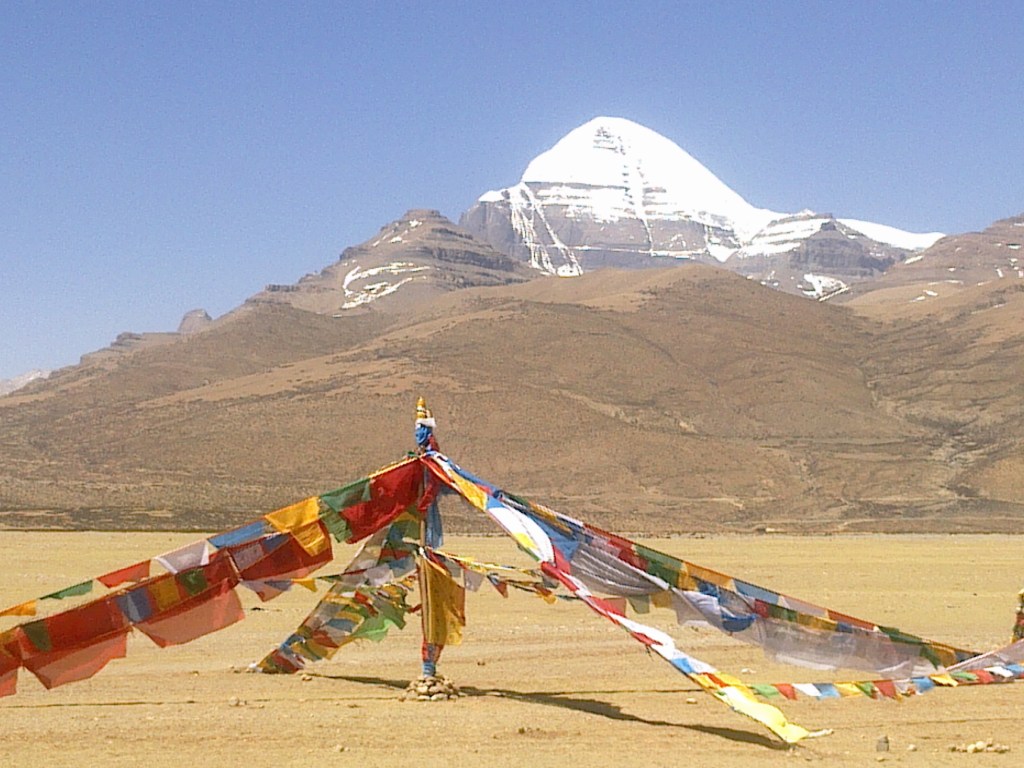
Kailash group tours
Collectively known as Kangri Tsosum – Ponri Ngaden, Lake Manasarovar & Kailash – are said to be the heart of the ancient Shangshung Kingdom, the supposed land of origin of the pre-Buddhist Bonpo. Kailash is their soul mountain, the Nine-Story Swastika Mountain. This is the place where their legendary founder descended from heaven to earth. To Buddhists it is the abode of Demchok, the wrathful manifestation of Buddha Sakyamuni. To Hindus it is the dwelling of Shiva, the destroyer. According to the Sanskrit tradition of Vishnu Purana (200BC) it is a representation of Mt Meru, the cosmic mountain at the center of the universe from which the four great rivers of Asia flow. The Indus (lion) River originates to the north of Kailash and sustained one of mankind’s earliest civilizations, in the Indus Valley. Emerging from the eastern ‘horse’s mouth’ The Yarlung Tsangpo (Brahmaputra) feeds the mystics of Tibet before cutting through the eastern Himalaya to India. The Karnali River (from the Peacock mouth) has its source south of Rakshas Tal, and is a major tributary of the Ganges. From the Elephant mouth, the Sutlej flows west through Guge and the Indian Himalaya.
 Shigatse Travels Tibet